Insight
Floating festivals and events
Music cruises, floating parades and themed nights on the water: why they work, four real examples and what it takes to plan one.
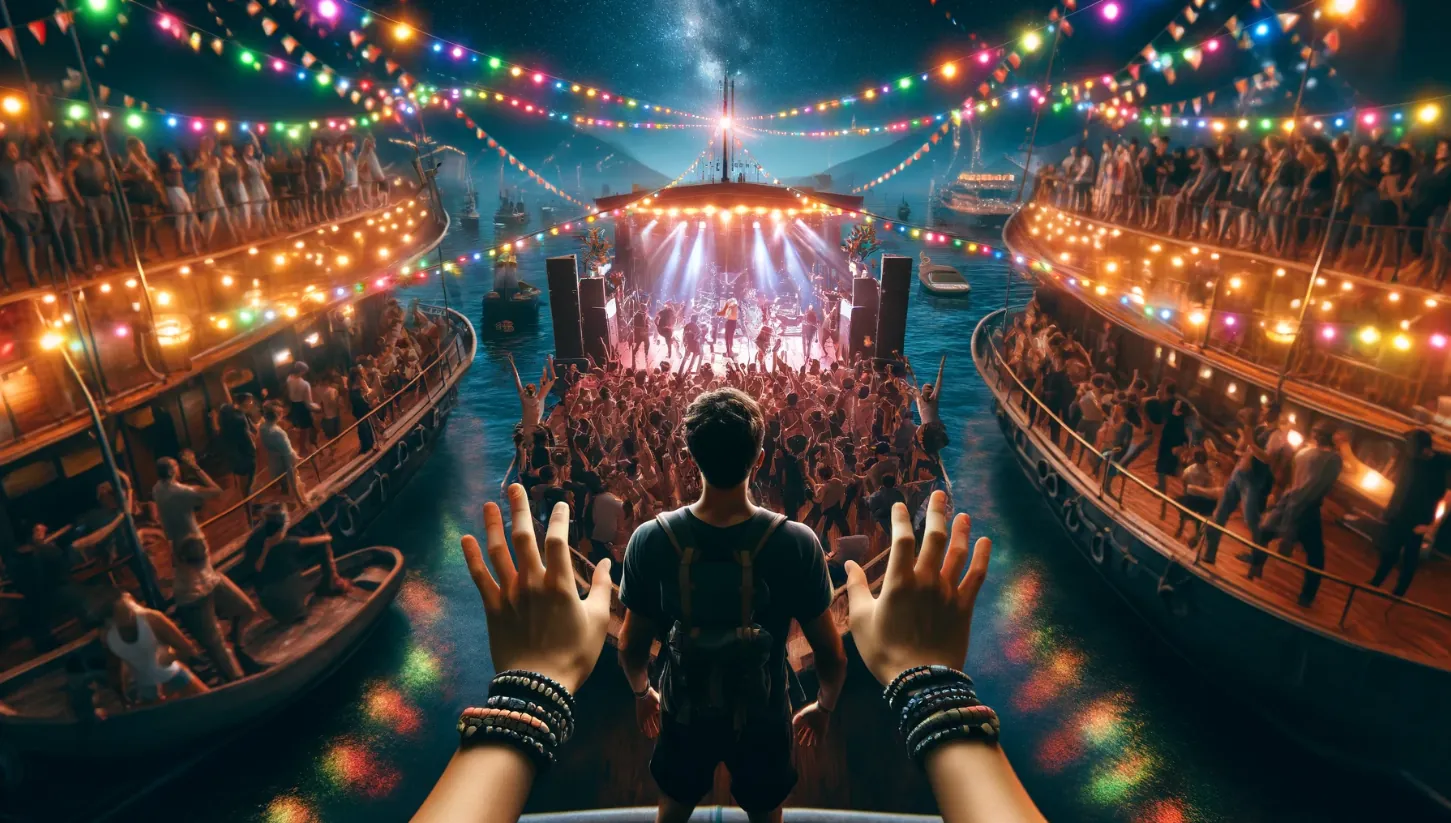
Floating festivals take the energy of a festival and move it onto the water, on one large vessel or spread across several. They have grown quickly, from music cruises with thousands of guests to small themed parties, and they give a familiar format a setting that is hard to match on land.
Why the water works
People have always been drawn to the sea, and to new experiences. The movement of the deck, the open views and the sea breeze add something to an event that a field or a hall cannot. Leaving the shore behind gives the whole occasion a sense of escape, and every moment feels a little more special for it.
Types of floating festival
Most fall into three broad groups.
- Music festivals. Electronic dance music cruises bring top DJs and thousands of fans together for non-stop sets and themed nights while sailing to far-off destinations. Jazz and blues cruises are slower paced, with live performances by well-known musicians, small concerts, workshops and jam sessions.
- Arts and culture. Floating art festivals set up galleries and installations on boats that cruise scenic waterways, so the view changes as guests move through the work. Literary cruises offer readings, book signings, talks with authors and themed dinners.
- Themed parties. Gatsby nights bring the 1920s onto the water with live jazz, flapper costumes and lavish decoration. Pirate festivals lean into costume, treasure hunts and nautical food and entertainment.
Four real examples
The range is wide, from music cruises with thousands on board to festivals rooted in local history. These four show what works.
Holy Ship! made its name as an electronic dance music cruise from Florida to the Caribbean on large cruise ships. Its lineups have included Skrillex, Diplo and A-Trak, with a different theme each night, from tropical luaus to 80s retro, alongside DJ lessons, yoga and water sports. Many guests come back year after year, and the community has grown online and into events on land.
70,000 Tons of Metal is described as the world’s largest heavy metal cruise. The four-day event, also sailing from Florida to the Caribbean, puts more than 60 bands on stages around the ship, among them Arch Enemy, Cannibal Corpse and Nightwish, some on outdoor stages with the ocean behind them. Meet-and-greets and signing sessions keep fans close to the bands, and for many it has become a bucket-list trip.
The Venice Carnival is known for its masks and costumes, but during the carnival the canals become a stage as well. Decorated boats process along the Grand Canal, masked balls are held on large boats, and music, theatre and dance play out on floating stages. These events draw visitors from around the world and add to the city’s cultural heritage and economy.
Pirates Week in the Cayman Islands celebrates the islands’ pirate history every year, on land and on the water. Boats dressed as pirate ships parade through the harbours, Cayman Brac and Little Cayman host boat races and treasure hunts, and live music, dance and local food run throughout. It has become a key date for locals and visitors alike, and it helps keep the islands’ traditions alive.
Planning and logistics
A festival on the water needs more planning than one on land. Four things matter most.
- The vessels. Size, capacity, facilities and safety equipment all count. Large cruise ships, luxury yachts and purpose-built festival boats are the usual choices.
- The route. Scenic routes and good stops shape the experience, and organisers have to plan around weather, tides and berthing.
- The programme. A varied mix of live performance, workshops, themed parties and interactive sessions keeps a broad audience engaged.
- Safety. Events on water must meet maritime regulations, carry proper safety equipment and have contingency plans ready for emergencies.
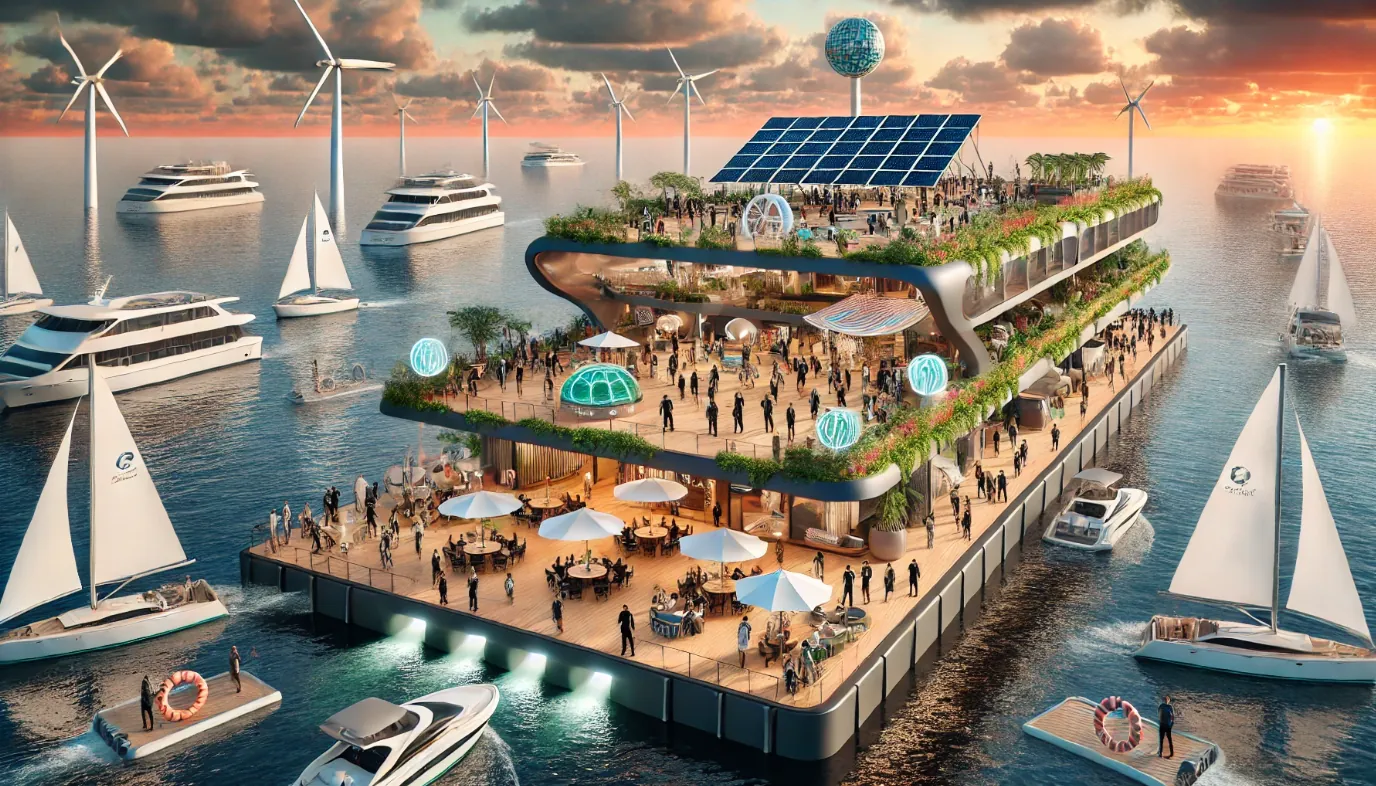
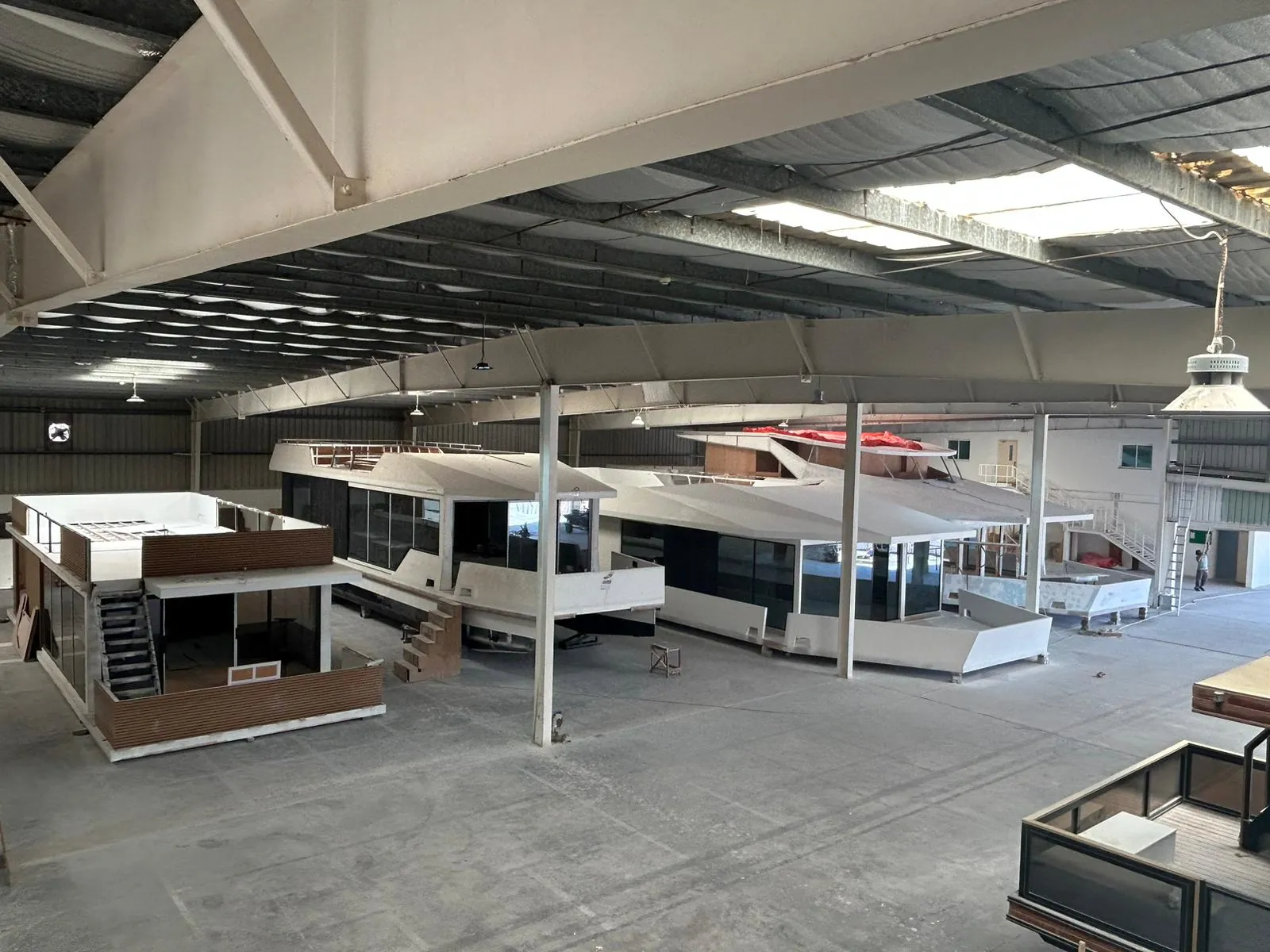
Not every event needs to sail. For one that stays in place, a moored platform can hold the stage, the crowd and the services behind them, and that is the kind of floating structure V-Marine designs and builds.
What comes next
Better technology and vessel design will open the way to more immersive and more sustainable events, from eco-minded festivals that raise environmental awareness to ones that use virtual reality and interactive elements. The format suits music, art and themed celebrations alike, and the setting stays with guests long after the last set. As interest grows, expect more celebrations to move, at least for a night, onto the water.