Insight
Waterborne wellness with floating spas and health retreats
Floating spas and retreats use the calm of the water to set their treatments apart. What they offer, and why the setting matters.
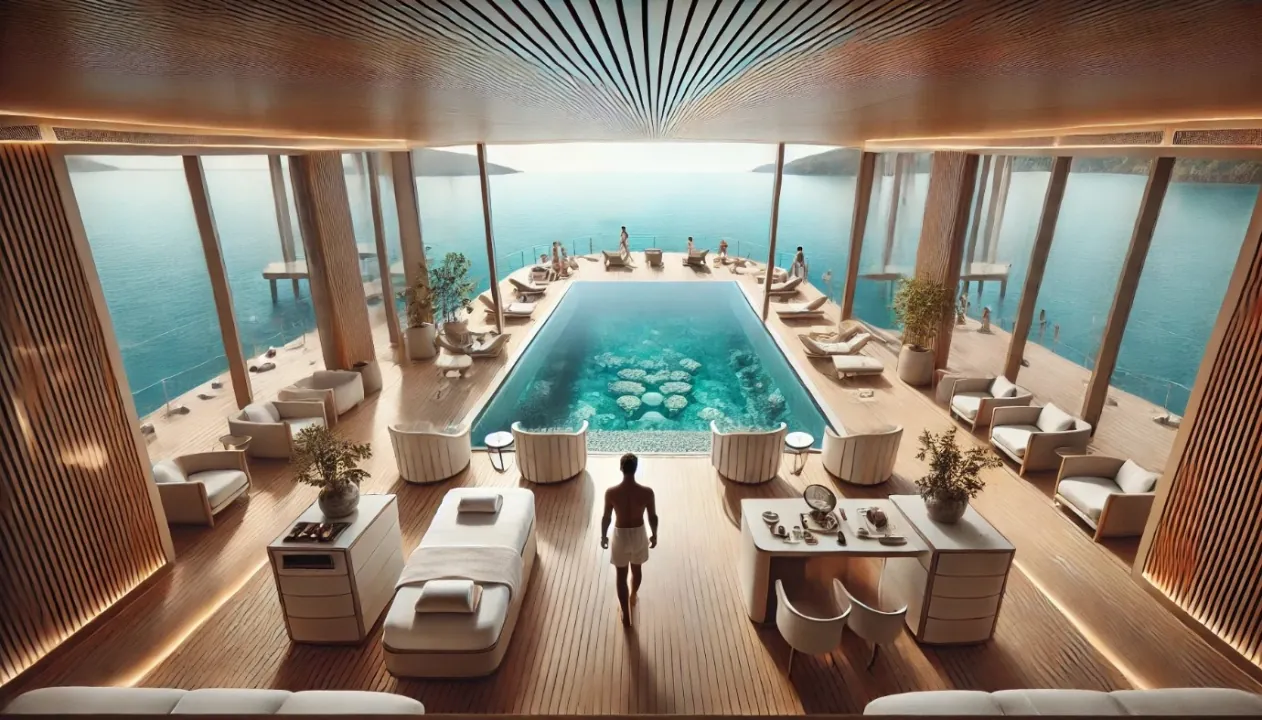
Wellness and self-care now shape how many people travel and spend their free time, and floating spas and health retreats have found a place in that shift. Set on calm water, they pair well-appointed treatment rooms with the quiet of a lake, a river or the sea, and give guests a rare sense of distance from everyday life.
Why the water matters
A floating retreat uses the calming effect of water as part of its design. On a lake, a river or a sheltered stretch of coast, the setting does much of the work: a gentle motion underfoot, the sound of water against the structure and an open view on every side.
Therapies on the water
Floating spas offer a broad menu of treatments for body and mind. Among the most popular:
- Hydrotherapy: hydro-massage, floating pools and aquatic exercise. The buoyancy of water takes weight off joints and muscles, which makes it a gentle medium for movement and relaxation.
- Thalassotherapy: treatments using seawater, seaweed and marine mud. These mineral-rich elements have long been used in skin care and are believed by many to help circulation.
- Meditation and yoga on the water: the slight sway of a floating deck asks for balance and focus, which many people find deepens the practice.
- Aromatherapy: essential oils, used in massage or diffused through the spa, to help guests relax.
- Sound therapy: gongs, singing bowls and other instruments, played where the water carries the sound, to settle the mind.
What the setting adds
A spa on the water offers things that are hard to match on land:
- Deeper relaxation: the rhythm and sound of water, away from traffic and city noise, let guests switch off more fully.
- Closeness to nature: many people find that time surrounded by water and open sky eases stress and lifts their mood.
- Considered design: the best floating centres are designed to sit lightly in their surroundings, with sustainable materials and practices.
- Privacy: on a private lake or a secluded bay, guests can enjoy real seclusion and attentive, personal service.
- A whole-person approach: treatments, surroundings and daily practice are brought together to care for body and mind at once.
Floating retreats in practice
The idea is already established. The FloatHouse River Kwai in Thailand, for example, is an eco-friendly floating resort that combines traditional Thai wellness practices with modern comforts. V-Marine has designed a floating spa and resort of its own, ready to be built for a resort or hotel.
As interest in wellness grows, spas and retreats on the water are setting a new standard: treatments that draw on the calm of their surroundings, in places that feel far removed from the everyday.